
Between pulling the shutter down and sitting for dinner, you have maybe an hour to yourself. That hour is enough to put your shop online. Not "start the process". Actually online: your products, your prices in rupees, your phone number, a link you can send to anyone.
Most shopkeepers I know still believe a website is a project. Something involving a developer cousin, three weeks, and NPR 40,000 that may or may not produce anything. It used to be. Now the setup itself takes about five minutes, and what eats the rest of the evening is everything people fail to prepare. So let us do this properly: what to gather before you sit down, the five minutes themselves, and what to polish over your first week.
Gather these three things first
The reason people abandon website builders is rarely the builder. They open it, get asked for a product photo, and realise every photo of their stock is a blurry one sent to a supplier in 2023. Then they get asked for a price and realise they have been charging three different prices depending on who asks. Twenty minutes of staring later, the tab is closed.
So before you sit down, have these ready:
Photos. Ten to fifteen, taken on your phone. You do not need a photographer or a lightbox. Afternoon light near the shop entrance, a plain wall or a clean counter behind the product, and a steady hand. If you run a clothing shop in New Road, shoot the pieces you actually want to sell more of, not the whole rack. A salon can photograph the stations, the shelf of products, and a couple of finished styles with the customer's blessing. A cafe needs its five best sellers looking their best, not all forty menu items.
Prices, written down. A website forces a discipline the counter never did: one price, printed in public. Decide now whether the momo plate is NPR 180 or NPR 200, before the form asks you. If some items genuinely cannot have a fixed price, like jewellery that moves with the day's gold rate, leave those for later and start with the fixed ones.
Your name and number. The exact spelling of the shop name, in English and in Nepali if you use both, and the phone number you actually answer. Not the SIM that lives in the drawer.
That is the whole homework. If you have those three things, the rest is typing.
The five minutes
Here is the walk-through on Pasal, since that is the one I know and it is built for exactly this evening:
1. Open the start page and tell it what kind of shop you run. Cafe, clothing, salon, grocery, handicraft, jewellery, electronics, furniture: the list covers most shutters on most streets. 2. Pick a template. There are 23, each properly designed rather than generated. Choose the one that feels like your shop and move on. Do not spend twenty minutes here. 3. Type the shop name and the phone number. 4. Add your first products: name, price, photo. This is where the homework pays. Five products is already a real shop; the rest can come tomorrow. 5. Publish.
Time it if you like. With photos on your phone and prices on paper, this is five minutes, maybe eight on slow wifi. At the end you have a live link.
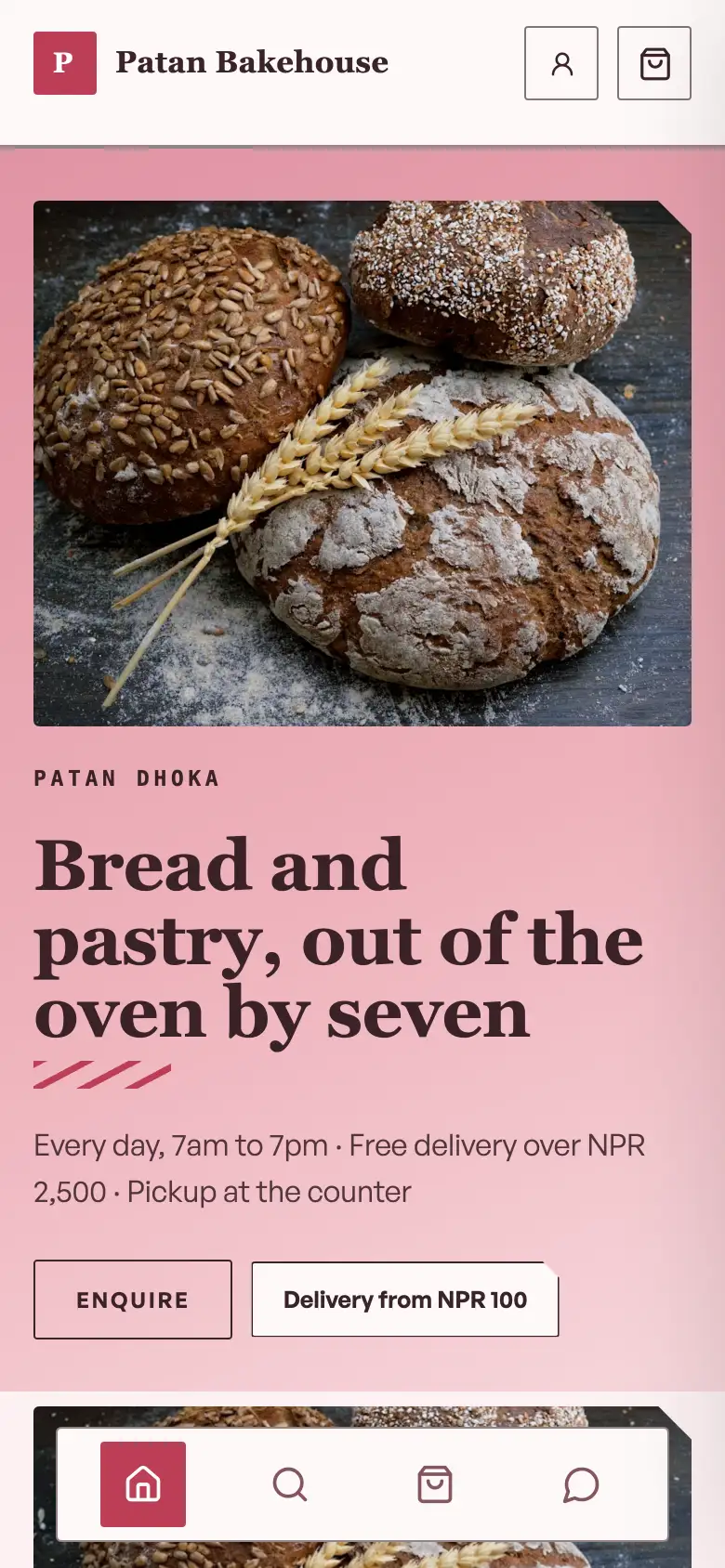
What you actually have now
More than you might think:
- A page that answers, at nine in the evening, the questions your phone would otherwise ring with: are you open, what do you have, how much is it.
- Prices in NPR, shown properly, in Nepali or English as the customer prefers.
- Real ordering: a customer places an order, you get an email for it, you confirm and prepare.
- Customer accounts, so your regulars do not retype their details every time.
And one honest note for day one: eSewa, Khalti and Fonepay are taken at checkout by your own wallet QR, with the customer’s transaction number and screenshot attached to the order; you confirm it when the money lands. The one-tap eSewa gateway, where eSewa tells the shop itself, is still to come. For now the money moves the way it already does in your shop: at the counter, on delivery, however you and the customer settle it. The website's job today is to show the goods and take the order. The cash drawer's job is unchanged.
The first week: one small evening at a time
Do not try to perfect everything on night one. Spread it out.
Night two: the photo pass. Open your live site on your own phone, the way a customer will see it. Reshoot the three worst photos. This one evening improves the shop more than anything else on this list.
Night three: finish the catalogue. Add the remaining products, and give the important ones a line of description. "Pure pashmina, hand-loomed in Patan" sells better than a name and a number.
Night four: your trade's special tool. This is where shops diverge:
- A cafe or restaurant can turn on QR table ordering and print a code for each table. Customers scan, order, and the kitchen hears about it without anyone waving for attention.
- A salon can switch on bookings, so the Saturday rush books slots instead of crowding the doorway.
- A venue can sell event tickets with QR check-in at the gate.
Night five: the counter tools. If you keep a khata for regulars, there is a digital one: the same trust, except it does not fade or get argued over when accounts settle at Dashain. Add loyalty points if repeat customers matter to you, and set a promo code for the opening. Say NAYA10 for ten percent off in the first week: a small, honest reason for people to try the link. If you are registered for PAN or VAT, printed invoices from the till are there when you need them.
When you are ready: if you would rather have your own address than the free link, a custom domain connects to the same site.
What the website will not do
A website is a shop, not a crowd. Nobody wanders past a URL the way they wander past a shutter in Asan. In week one, your visitors are the people you send the link to, and that is fine. Put it in your WhatsApp status and Viber groups, in your Instagram bio, on TikTok if you post there, and print the QR on a small card by the till. A Thamel handicraft shop can hand that card to the tourist who asks "do you ship?". A Baneshwor cafe can drop the link into the neighbourhood Facebook group.
Expect the first orders to be slow and slightly ceremonial: your cousin, a loyal customer testing it, someone ordering one item to see what happens. Good. Fill those orders well. The real value in month one is often not the orders at all. It is the fifty small phone calls that stop coming because the answer is already on the site.
One more piece of honesty: a website with last season's prices is worse than no website. The recurring cost of going online is not money, it is truthfulness. When a price changes at the counter, change it on the site the same day.
Tonight, then
Charge the phone, take the photos while there is still light, write the price list at the counter, and once the shutter is down, give it the five minutes. If you want to see the 23 templates first, browse them at https://pasal.studio/demo, and when you are ready, start at https://pasal.studio/start. By dinner your shop will have an address on the internet, and tomorrow morning it will still be open there, even while the shutter is down.